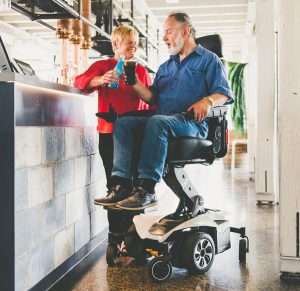
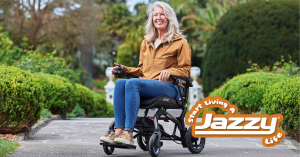
Noticing that everyday outings feel harder than they used to isn’t something to brush aside. For many older Australians and people living with mobility challenges, the shift from “I’m just having an off day” to “I need some support” happens gradually. Recognising the signs early means you can make a confident, informed decision rather than a reactive one. If you’re wondering whether it might be time to consider a mobility scooter, here are five common indicators worth paying attention to, along with guidance on choosing the right option for your lifestyle.
1. Short Walks Leave You Exhausted or in Pain
If a trip to the letterbox, the local shops, or around the garden leaves you out of breath, sore, or needing to sit down and recover, this is one of the clearest signs your body is asking for extra support. Fatigue and joint pain during short distances often point to reduced stamina, arthritis, or circulation issues that make walking increasingly effortful.
A mobility scooter removes the physical strain of walking while still letting you get outside, stay active in other ways, and maintain your daily routine. Many people find that conserving energy for the things that matter — visiting family, tending the garden, browsing the shops — actually improves their overall quality of life. Our guide on how a mobility scooter can enhance your life explores this in more detail.
2. You’re Avoiding Outings, Events, or Social Visits
Social withdrawal is one of the more subtle signs that mobility has become a barrier. If you’ve started declining invitations, skipping community events, or avoiding places with long walking distances — shopping centres, markets, sporting venues — because you’re worried about keeping up or finding somewhere to rest, it’s worth pausing to consider why.
Isolation driven by mobility concerns is common, but it’s also avoidable. A mobility scooter can restore the independence needed to attend a footy match, visit the Melbourne Cricket Ground, or simply enjoy a day out without the anxiety of “will I make it back to the car?” Explore our accessibility guides for ideas on getting out and about again with confidence.
3. You’ve Had a Fall, a Near-Fall, or Feel Unsteady on Your Feet
Balance issues are a serious signal, not something to manage quietly. If you’ve experienced a fall, caught yourself before one, or simply feel less steady than you used to — particularly on uneven footpaths, ramps, or in crowded spaces — this is a strong indication that additional mobility support could reduce your risk of injury.
A well-chosen mobility scooter provides a stable, seated platform with a lower centre of gravity than walking unaided, which can significantly reduce fall risk during outdoor trips. If unsteadiness is a growing concern, it’s worth discussing your options with a GP, occupational therapist, or one of our stockists who can help match you to a suitable model.
4. Everyday Errands Have Become a Major Effort
Grocery shopping, picking up prescriptions, or attending medical appointments shouldn’t require a full day of recovery afterwards. If you’ve found yourself limiting how much you carry, cutting outings short, or relying more heavily on others to run basic errands, mobility limitations may be quietly narrowing your independence.
Mobility scooters are built for exactly this kind of everyday use — compact enough to manoeuvre through supermarket aisles, with storage baskets for shopping bags and enough range to comfortably complete a full errand run. Our article on what to consider before purchasing a mobility scooter is a useful starting point if this sounds familiar.
5. Family, Carers, or Your Care Team Have Raised Concerns
Sometimes the people who love and support you notice changes before you do. If your adult children, a carer, or an allied health professional has gently suggested that mobility support might help, it’s worth taking that feedback seriously rather than dismissing it. These observations usually come from a place of genuine concern for your safety and wellbeing.
Bringing a family member or carer along when exploring your options can help ensure the scooter you choose fits your home, your routines, and your car boot for transport. Occupational therapists in particular are well placed to assess your specific needs — our page on the clinical benefits of Pride Mobility products is a helpful resource to share with your care team.
Exploring Your Mobility Scooter Options
Once you’ve recognised one or more of these signs, the next step is finding a scooter that matches your lifestyle, terrain, and transport needs. Pride Mobility offers a broad range across our our products collection, from ultra-portable travel scooters to rugged all-terrain models.
Go Go Carbon
Best for: frequent travellers who need a lightweight, easy-to-transport scooter.
Built with carbon fibre construction, the Go Go Carbon is designed to be significantly lighter than traditional steel-framed scooters without compromising stability. It disassembles into manageable sections, making it a practical choice for car boots, caravans, or air travel.
- Range Per Charge: <16 km/h
- Weight Capacity: 136 kg
- Turning Radius: 134.6 cm
For anyone who values freedom to travel without sacrificing mobility support, the Go Go Carbon keeps independence portable.
Pathrider 140 XL
Best for: everyday comfort with extra stability and a generous seat.
The Pathrider 140 XL is a firm favourite among stockists for its balance of comfort, durability, and confident handling on suburban footpaths and local errands. Its sturdy build and supportive seating make longer outings far more comfortable.
- Range Per Charge: <35 km
- Weight Capacity: 181 kg
- Turning Radius: 210 cm right 208 cm left
If day-to-day comfort and reliability are your priority, the Pathrider 140 XL delivers consistent, confident performance.
Outback 4X4
Best for: users who need to tackle uneven ground, gravel, or sloped terrain.
The Outback 4X4 is built for Australians who live on properties, rural blocks, or anywhere footpaths give way to grass and gravel. Its rugged construction and all-terrain capability make it one of our most versatile outdoor scooters.
- Range Per Charge: <25.75 km at 136 kg <27.4 km at 99.8 kg
- Weight Capacity: 159kg
- Turning Radius: 125 cm
For rural properties or anyone regularly navigating rougher terrain, the Outback 4X4 provides the confidence to go further.
How to Choose the Right Mobility Scooter
Selecting the right scooter comes down to a few key questions:
- Where will you use it most? Footpaths and shopping centres call for a compact, manoeuvrable model, while rural or uneven terrain suits an all-terrain design.
- How will you transport it? If you travel often or need to fit the scooter in a car boot, a lightweight or disassembling model like a carbon fibre scooter is worth prioritising.
- How far do you typically need to travel in one trip? Longer errand runs or full days out call for greater range.
- Do you need extra seating support or comfort features? Consider seat width, backrest support, and armrests if you’ll be seated for extended periods.
- Will a carer or family member need to help operate or store it? Look at ease of disassembly, weight, and storage requirements.
Our detailed guide on how to choose the right mobility scooter for your lifestyle walks through this decision-making process step by step, and our team at Pride Mobility is always available to help you weigh up the right fit.
Frequently Asked Questions
Do I need a licence to ride a mobility scooter in Australia?
No. Mobility scooters are classified as personal mobility devices and don’t require a driver’s licence in Australia. However, road rules still apply when using footpaths, shared paths, and pedestrian crossings, so it’s worth familiarising yourself with your local council’s guidelines.
Can I take a mobility scooter on a flight?
Airline policies vary depending on battery type and scooter dimensions. Some of our models are designed with airline travel in mind. Read our guide on bringing your mobility scooter on a flight for what to check before you book.
How long do mobility scooter batteries last?
Battery lifespan depends on usage, charging habits, and model. Regular charging and proper storage significantly extend battery life. Our article on getting the most out of your Pride Mobility scooter battery offers practical maintenance tips.
Where can I try or buy a Pride Mobility scooter?
We distribute through a network of stockists across Australia and New Zealand. Use our stockist finder to locate a location near you.
Finding Your Next Step
Recognising these signs is the first step toward a more confident, independent lifestyle. Whether you’re managing fatigue, balance concerns, or simply want to keep enjoying the outings you love, there’s a mobility scooter in our range built to support you. Explore our full range of mobility scooters and learn more about who we are
LIVE YOUR BEST with Pride Mobility.